

June 22, 2026
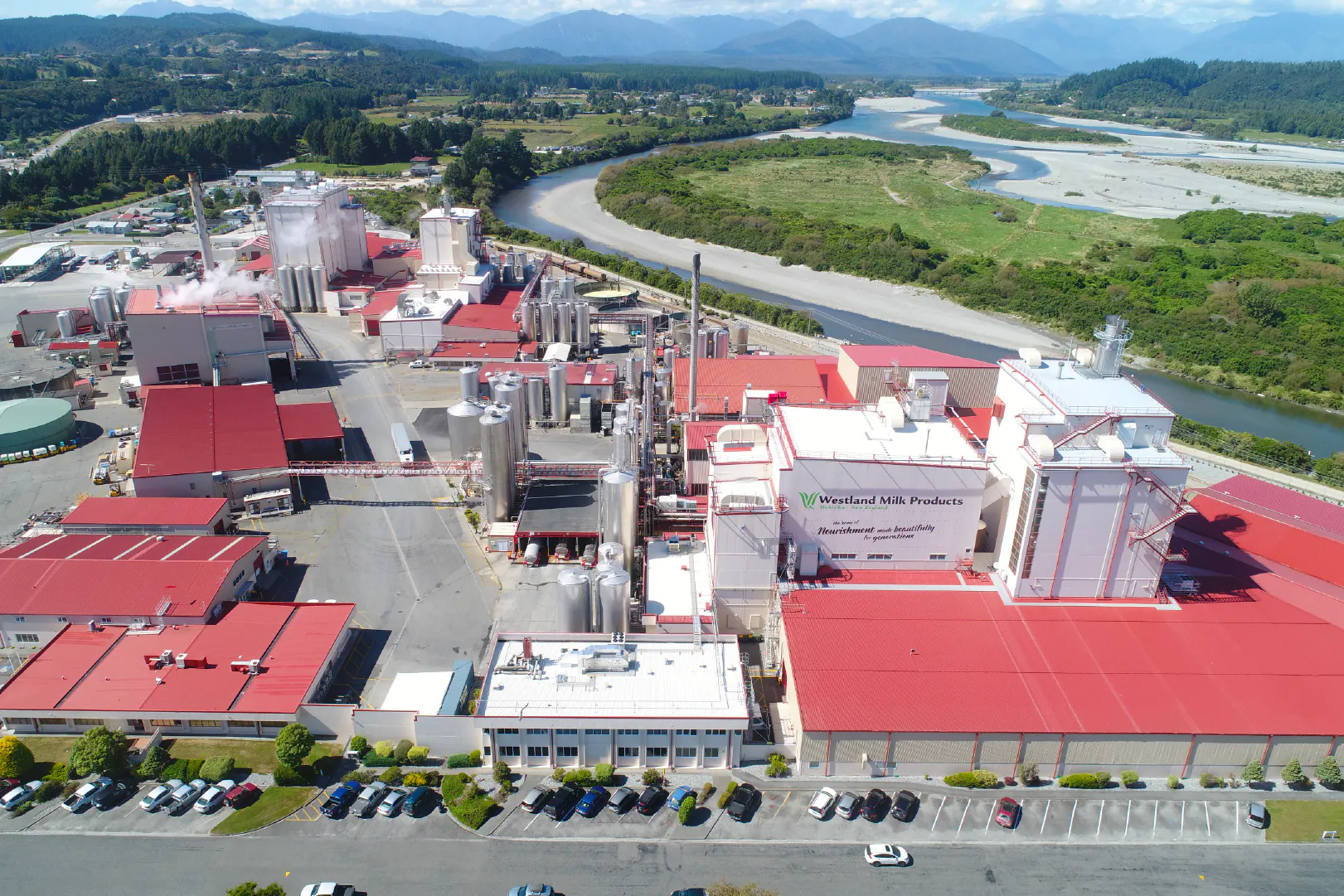
Winter shutdown to prepare our sites for strong start to new season.
The annual winter shutdown across our sites and plants provides a critical window when we complete a mix of planned maintenance, as well as changes to meet compliance and improve reliability.
The work carried out during the shutdown sets us up for a strong start to the new season later next month. We have approached the task differently this year by aligning planning across Hokitika, Rolleston and our wider network to ensure work is sequenced efficiently and resourced appropriately. This more widely coordinated, strategic approach ensures our customers continue to receive the consistent, high‑quality service they rely on.
Advantages of coordinated approach
The coordination of activity across plants has many advantages including minimising downtime, sharing specialist capability, reducing duplication and ensuring each site receives the right level of support at the right time. We also have greater visibility of the work ahead and can prioritise the activities that have the biggest impact on reliability and supply continuity.
What’s happening during the shutdown.
During the shutdown our teams will be busy across the network on a variety of tasks to ensure our plants are safe, reliable and ready for the new season. This includes inspecting and servicing key assets and replacing end-of-life components, as well as cleaning, upgrades to improve performance and efficiency, and testing and verification activities.
Why we shut down in autumn at Oceania Dairy Ltd (ODL)
For the first time we shut down our ODL Glenavy plant for its annual service this autumn ahead of the winter shutdown at our other sites. Because ODL operates with a unique production profile and asset mix, certain maintenance activities are best completed earlier in the year. By doing this work in autumn, we can make better use of our milk pool – autumn milk in the ODL catchment can be processed at Hokitika and we can process milk produced in other parts of our region in winter, at Glenavy.
The Glenavy autumn shut down also reduces pressure on the winter shutdown window, avoids extended downtime during the peak winter milk period, enables a better use of the pool of available contractors and ensures the plant remains available when customers need it most. Work is all but complete at this site.
Major works achieved include turning airlocks into UV treated zones, upgrading the milk treatment flooring to reduce moisture in the area and installing new spiral inserts to help improve yield and product quality and make better use of every drop of milk. The UHT (ultra-high temperature area) also had a small shutdown to complete some critical work, while work has also been carried out as part of our health and safety project. We have also conducted multiple trials or commercialisations in our production areas.
Other sites don’t require this early shutdown because their asset configuration and production schedules allow the work to be completed efficiently during the main winter period.
Flattening the Service Curve – What It Means and Why It Matters
Our new approach means spreading maintenance activity more evenly across the year rather than relying on one large shutdown period. In other words, we are “flattening the service curve”.
In practice, this means adopting a “little and often” mindset. Instead of waiting for winter to complete all major work, we’re planning targeted shutdown periods on different sites throughout the year. This keeps our assets in better condition and reduces the load on the winter shutdown period.
A More Strategic, Coordinated Future
Our goal is simple: maintain reliability, protect supply confidence, and support our customers with the consistency they expect from Westpro.
By aligning shutdown planning across sites, taking a structured approach to maintenance, and flattening the service curve, we’re building a more resilient and predictable operating model. Winter shutdown will always be an important part of our calendar - but with smarter planning and better coordination, we’re making it shorter, more efficient, and more customer‑focused than ever
